


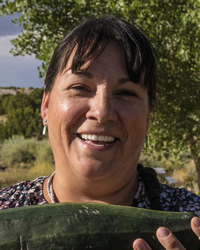

The Kiowa people traditionally spoke the Kiowa language, a member of the Tanoan linguistic family, though today most Kiowa are bilingual, speaking both English and Kiowa to varying degrees. Their ancestral homeland covered the Great Plains region, particularly in parts of present-day Oklahoma, Texas, and Kansas. Historically, the Kiowa were nomadic buffalo hunters and skilled horsemen who migrated southward from the northern plains in the 18th century.
They were closely allied with the Comanche, forming a powerful confederation that resisted U.S. expansion for decades. After their eventual confinement to reservations in the late 1800s, the Kiowa adapted to new ways of life while striving to preserve their language, art, and traditions.
Today, most Kiowa live in southwestern Oklahoma, particularly near Carnegie and Anadarko. Many are active in both traditional and modern pursuits, balancing employment in education, health care, tribal government, and industry with participation in cultural events such as powwows, dances, and the Kiowa Gourd Clan ceremonies.
Efforts to revitalize the Kiowa language are ongoing through classes, storytelling, and youth programs. Family ties and community gatherings remain central to Kiowa identity, and their strong oral tradition continues to shape how history and values are passed from generation to generation.
he Kiowa traditionally believed in a Creator and a spiritual world inhabited by powerful beings connected to nature. The Sun Dance and vision quests once played central roles in their spiritual life, emphasizing harmony with creation and personal encounters with the divine.
In modern times, Kiowa religious life often blends Christianity with traditional beliefs. Many Kiowa identify as Christians—particularly within Baptist and Methodist churches—yet some continue to practice or respect traditional ceremonies and Native American Church services that incorporate elements of both Christianity and indigenous spirituality.
The Kiowa people face challenges common to many Native communities, including the preservation of their language and cultural identity in a modernized world. Economic and educational opportunities are sometimes limited, and there is a need for continued outreach that strengthens families and supports youth.
Spiritually, while many Kiowa have heard the message of Christ, others remain influenced by syncretism or uncertainty about the gospel's distinct truth. There is a need for clear discipleship, biblical teaching, and the raising up of strong Kiowa Christian leaders who can minister within their own culture and language.
Pray that Kiowa believers will grow strong in faith and become bold witnesses among their people.
Pray for missionaries, pastors, and lay leaders serving among the Kiowa to be filled with wisdom, and the fruit of the Holy Spirit.
Pray for healing from generational trauma and for the hope of Christ to bring renewal to Kiowa families and communities.
Pray for an accurate translation of the Bible in the Kiowa language.
Pray for an increase in discipleship and evangelism materials in Kiowa language and for the wide distribution of those resources.
Pray for the mighty work of the Holy Spirit among all Kiowa people.
Scripture Prayers for the Kiowa in United States.
Kiowa Tribe of Oklahoma official website
Oklahoma Historical Society: Kiowa Tribe
Encyclopedia of Oklahoma History and Culture
| Profile Source: Joshua Project |


